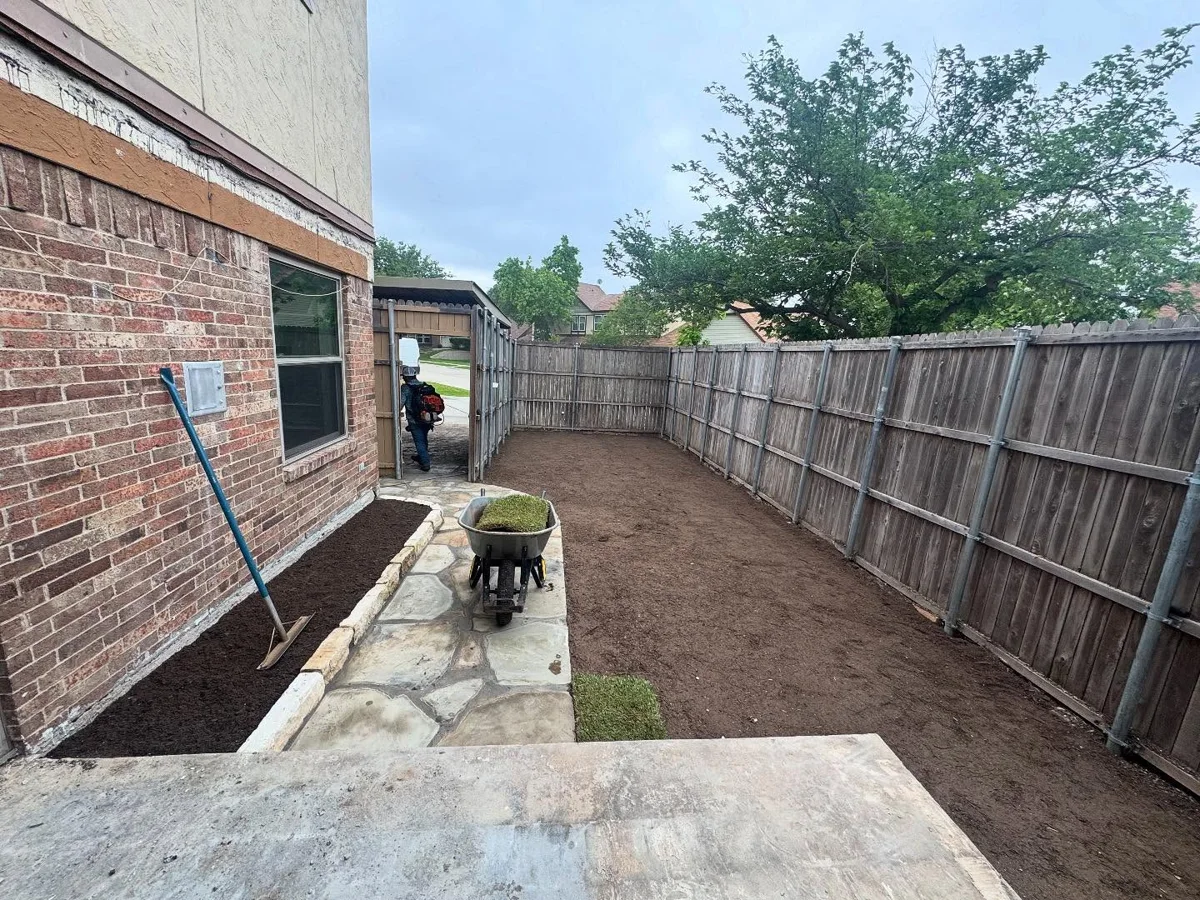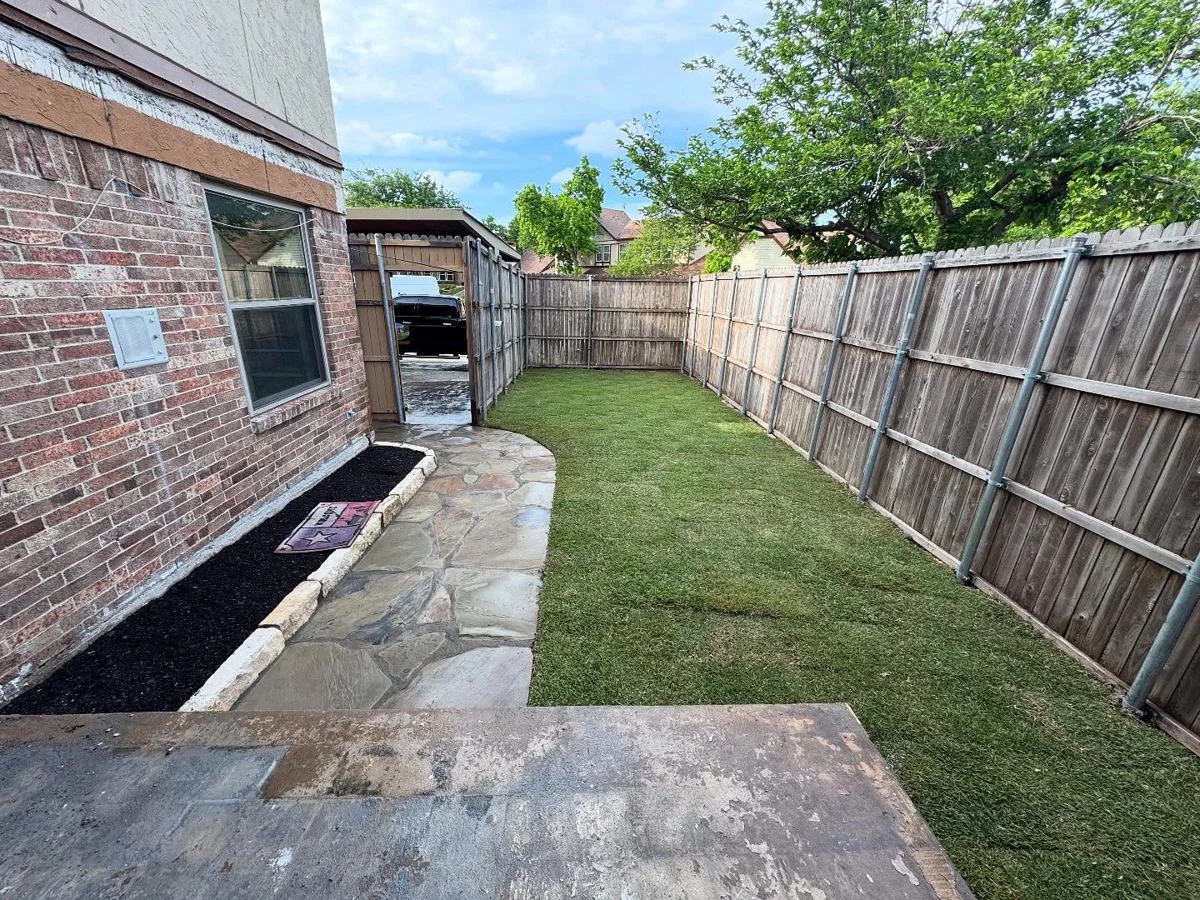

Choose grass for the site
Start with sunlight, then consider traffic and maintenance. Check shaded sections separately from the open lawn.
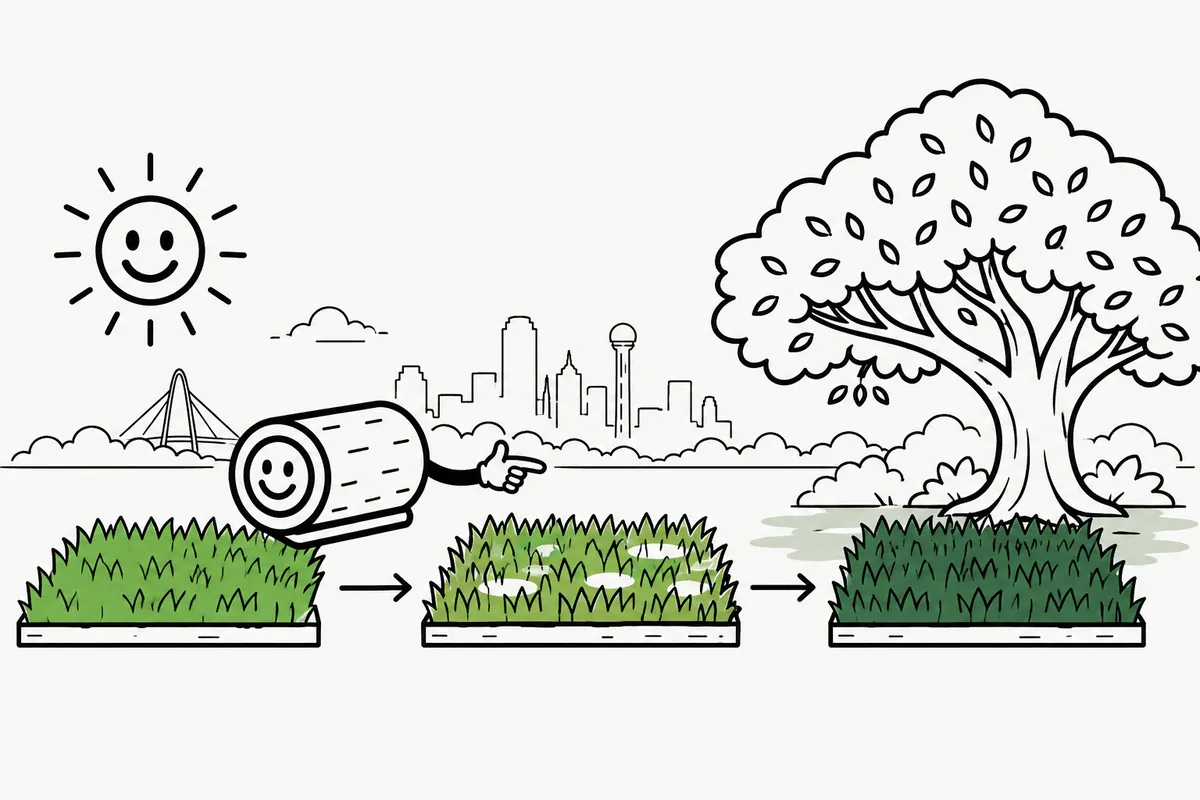
Rolly’s grass filter
Choose by sun. Break ties by use.
Too dark for turf: Below roughly four hours of useful light, a bed or mulch is a better bet than another pallet.
Turf traits: Texas A&M AggieTurf on Bermuda, Zoysia, and St. Augustine.
Bermuda suits full sun and regular wear. St. Augustine tolerates more shade. Zoysia varies by cultivar and recovers slowly from damage.
The grass comparison covers mowing, traffic, and prices. If you are considering seed, compare the available varieties in sod versus seed.
Measure the planting area
- Measure the area that needs grass.
- Subtract beds, driveways, patios, and other excluded surfaces.
- Add 5% for cuts and curves.
- Divide by 450 and round up to whole pallets.
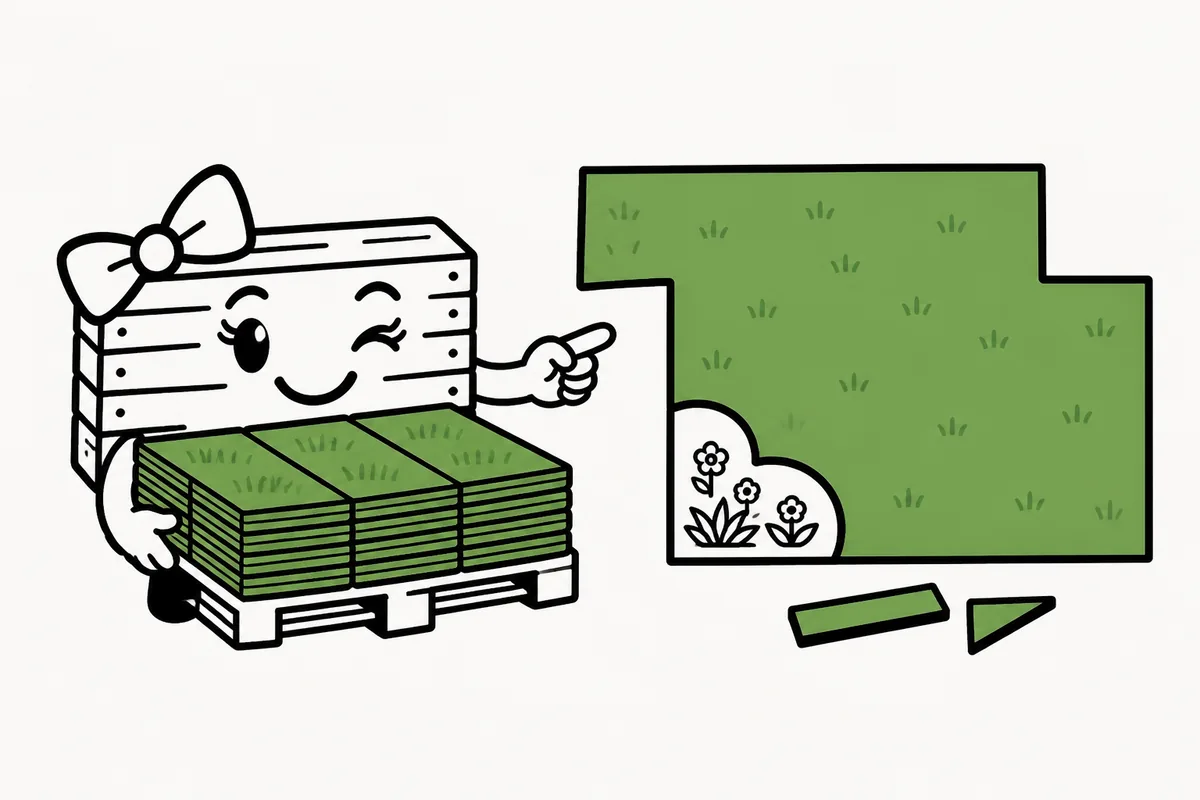
Palette does the pallet math
Measure. Add 5%. Divide by 450. Round up.
Example: 3,000 sq ft × 1.05 = 3,150 sq ft ÷ 450 = 7 pallets.
Want it calculated from the roof? Draw the lawn on our satellite map.
Use the satellite measuring tool or follow the worked measurement example.
Prepare for lawn resodding or a new installation
Resodding means replacing existing turf. First decide whether damage is limited to a few sections or affects the whole lawn. Our partial lawn replacement guide explains when a patch makes sense.
Remove old turf and debris. Check compaction, drainage, and the finished height beside paths before adding soil.
Grade the surface so water drains away from the house. Choose topsoil depth from the site conditions rather than covering a drainage problem.
Rake and firm the bed, then test the sprinklers. The preparation guide covers each step.
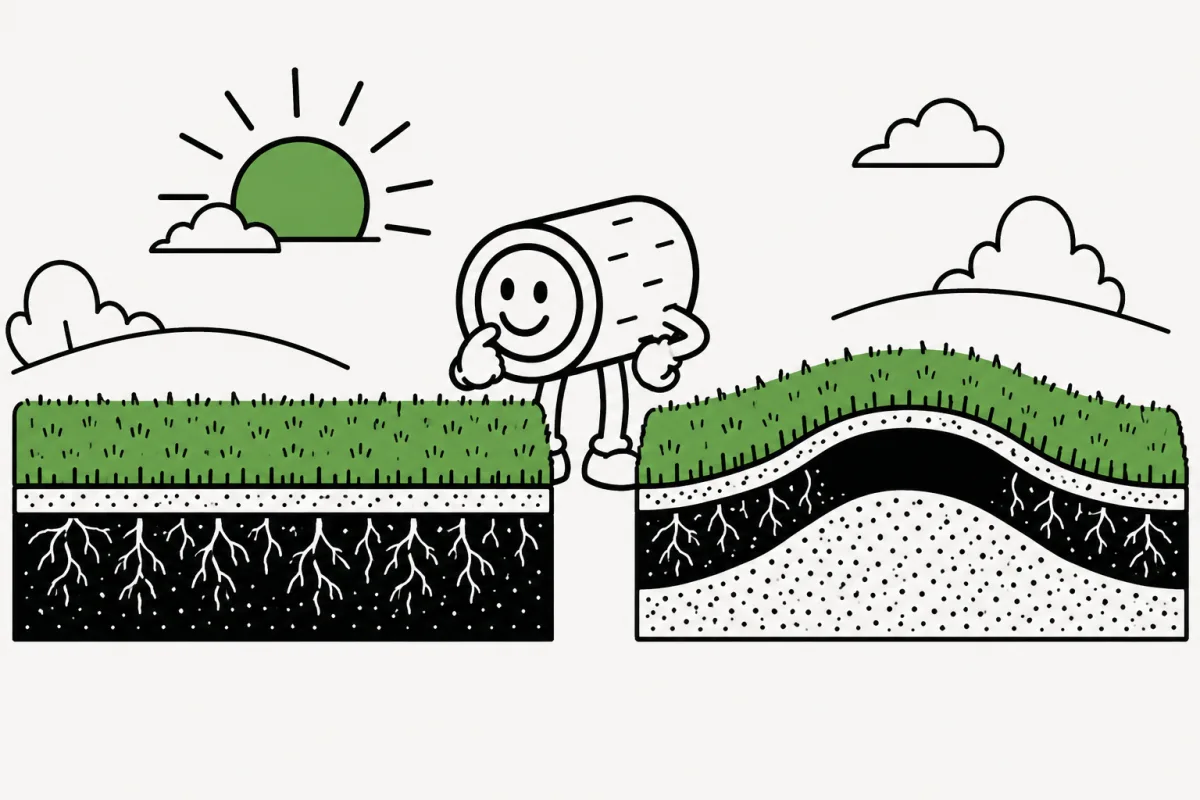
Roots need contact with the soil
Firm the bed and fit each piece flat. Air pockets leave roots exposed and can contribute to uneven settling.
Allow time for rooting
Warm soil supports active rooting. Spring and early fall often offer manageable conditions for installation and watering.
Summer needs close moisture checks. Dormant installation needs continued care while cold soil slows rooting. Avoid frozen or saturated ground.
Use the seasonal guide to plan around the grass type and forecast.
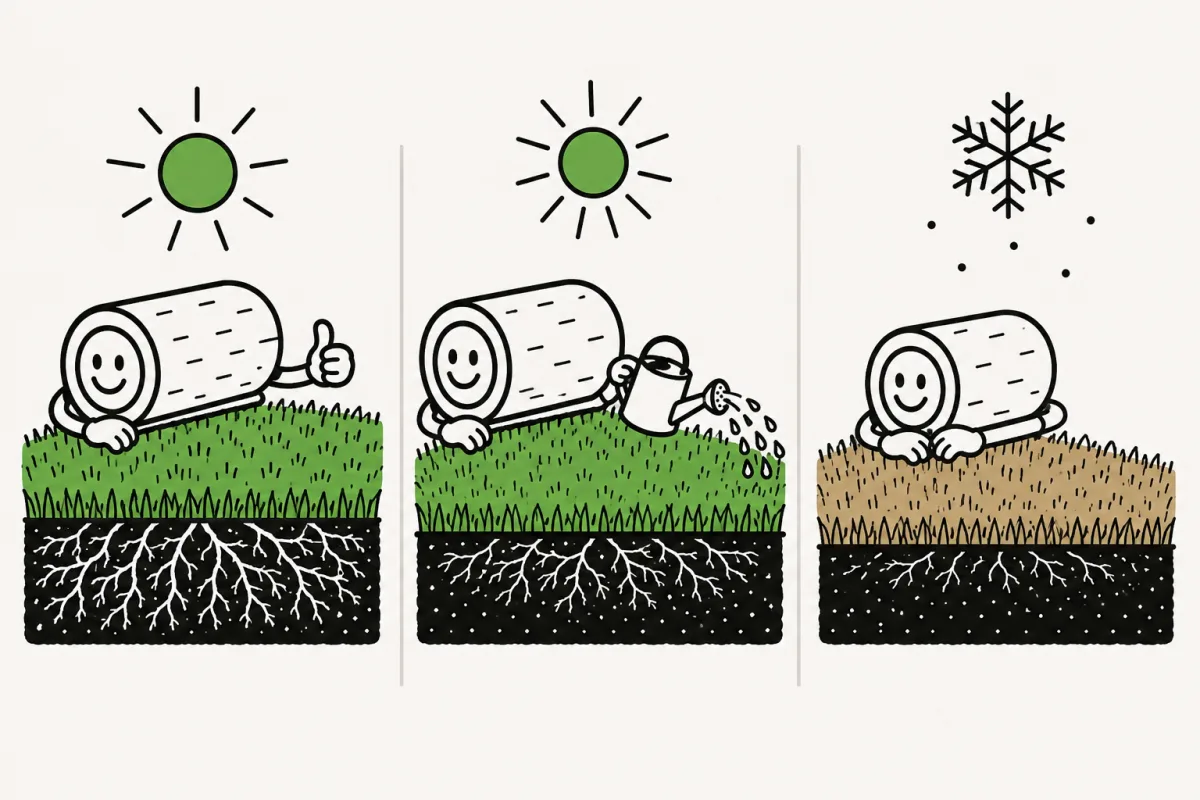
Plan for the season
Warm conditions support rooting. Heat increases moisture checks, while cold conditions slow growth.
Prepare for the delivery day
Sod normally arrives 24 to 48 hours from the cut, weather permitting. Confirm the cut date, delivery location, and installation help when you order.
Lay the sod promptly after arrival. Heat builds inside stacked pallets, especially in summer. Keep waiting pallets shaded.
See how delivery works and the DIY laying instructions.
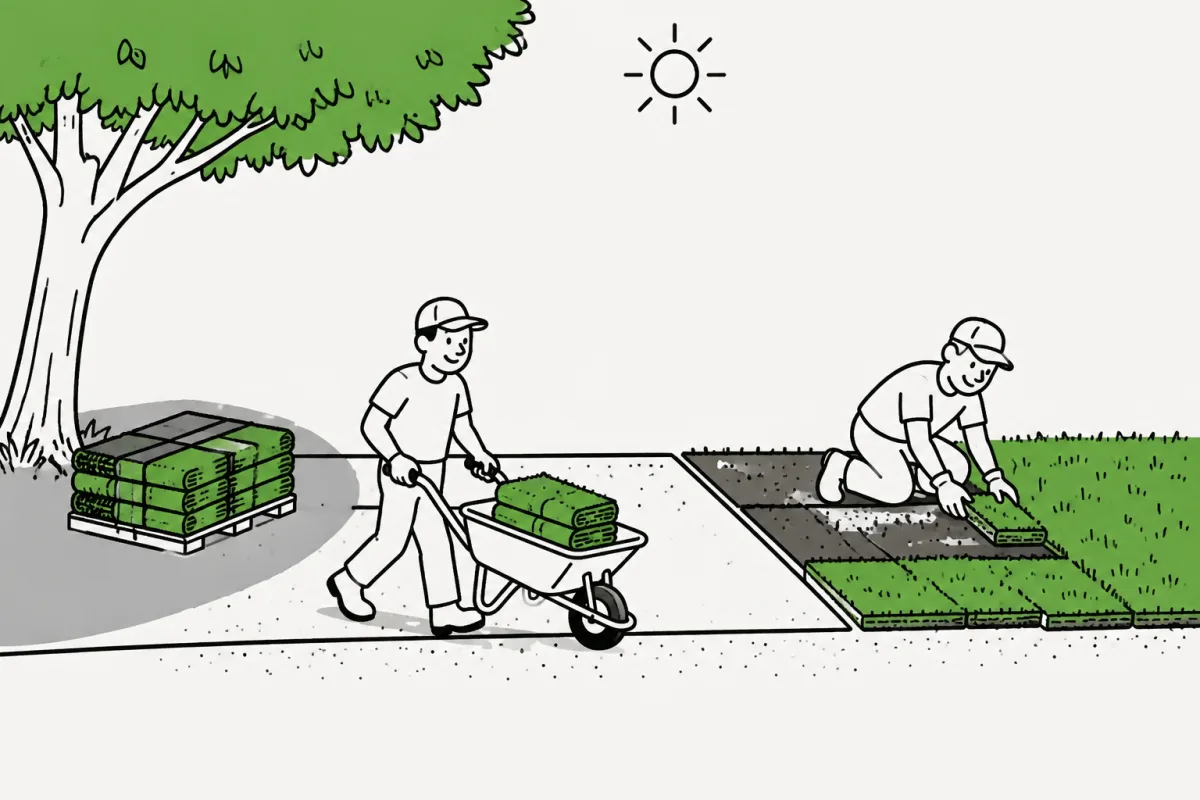
Keep the installation moving
Keep waiting pallets shaded and lay the sod promptly. Plan the route from the delivery point to the lawn.
Check moisture beneath the sod
Water completed areas promptly. Lift a corner to check that water reaches the soil below the sod.
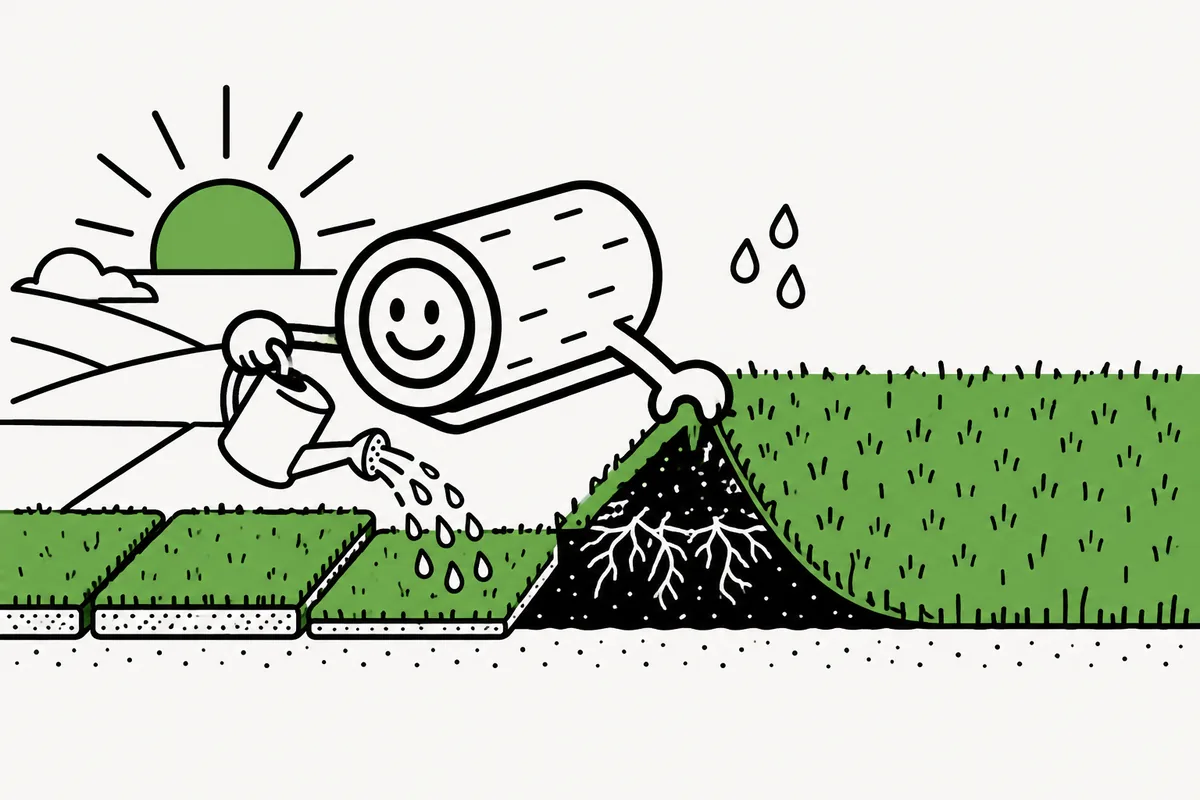
The first three weeks
Check the soil and rooting before adjusting care.
DFW heat check: July and August may require two waterings in a day. Your soil decides; your city’s current rules decide when.
Establishment guidance: Texas A&M AgriLife Extension. Check the current schedule linked from your city page.
Keep the root zone moist without leaving it saturated. Adjust to rainfall, heat, and rooting progress.
Check current restrictions and any new-sod approval before installation. Start with the irrigation guides and watering instructions.
Wait for roots before mowing
Check that the sod resists a gentle tug and that the ground supports a mower. Rooting often takes two to three weeks in warm conditions.
Use the recommended height for your grass and remove no more than one-third of the leaf. Check fertilizer needs and herbicide labels before treatment.
The first-maintenance guide explains each decision.
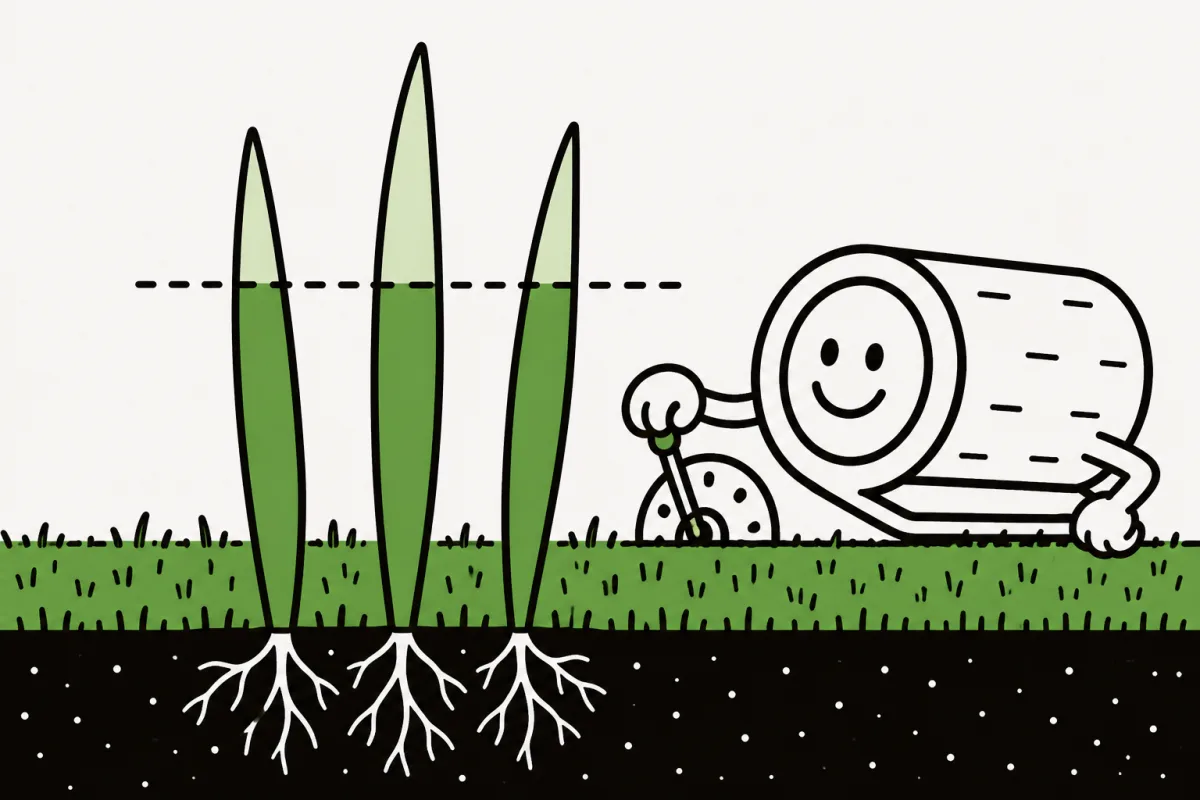
Keep at least two-thirds of the leaf
Remove no more than one-third in a single cut. Reduce an overgrown lawn’s height over several mowings.
Inspect damage before treating it
Dry soil, saturated soil, insects, and disease can produce similar symptoms. Check moisture and inspect the affected plants.
Look for chewed leaves, insects at the edge of a patch, and root damage below the turf. A pattern alone does not confirm a pest.
Use the pest guide and yellow-sod checks to narrow the cause.
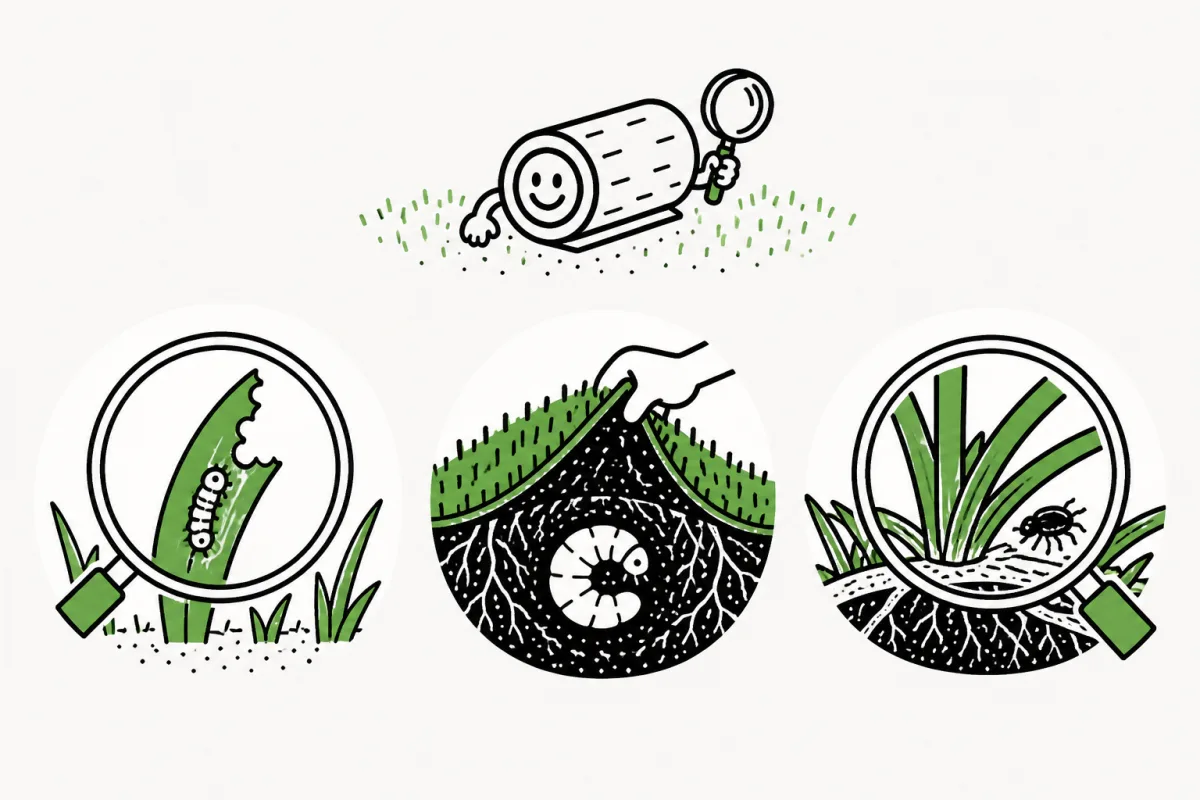
Inspect leaves, crowns, and soil
Use the damage to choose where to inspect. Confirm the insect before selecting a treatment.
Continue moisture checks in winter
Warm-season grasses can turn tan as growth slows. That color alone does not mean the lawn has died.
Check moisture during dry winter spells. Limit traffic, and watch for growth as the soil warms in spring.
The dormancy guide explains how to inspect roots and crowns.
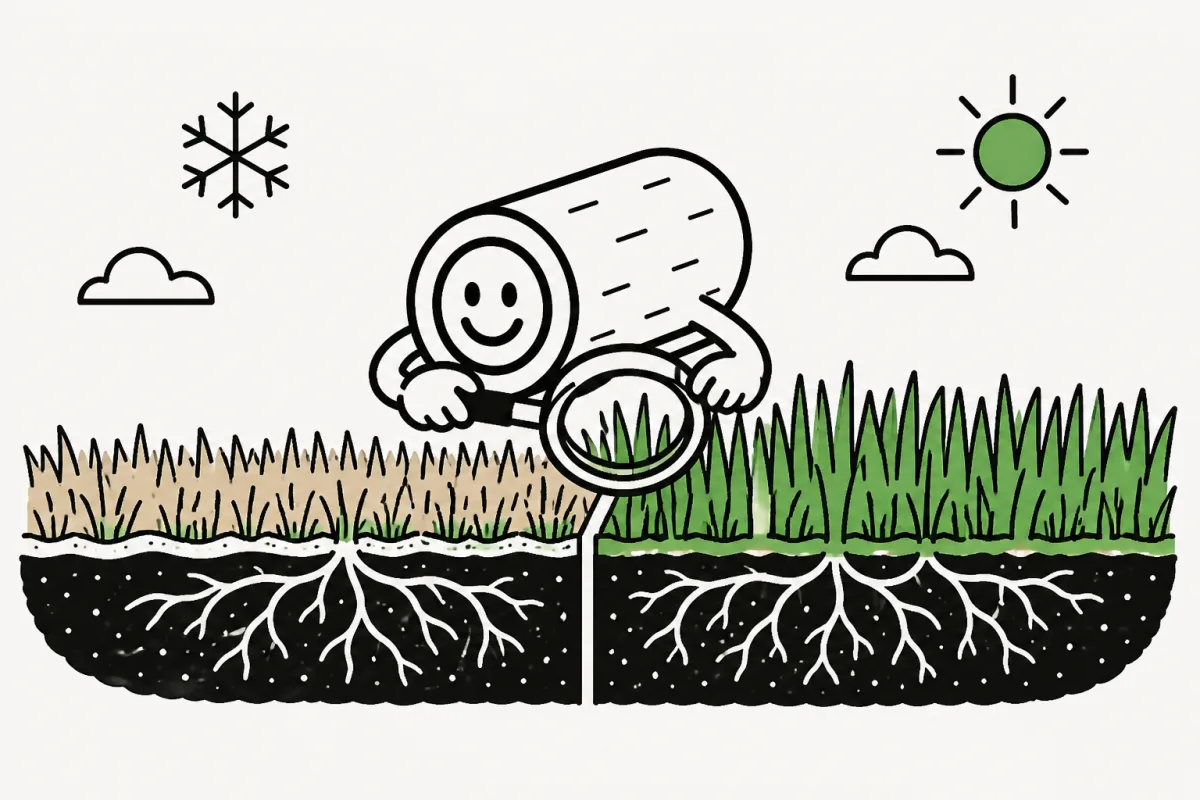
Winter color changes above living roots
Dormancy can change leaf color while the plant remains alive. Inspect roots and crowns before deciding a patch has failed.
Compare sod and installation costs
Current pallet prices are on the sod page. Installation prices depend on grass, access, removal work, and soil preparation.
- Bermuda: from $850 / pallet.
- Zoysia: from $850 / pallet.
- St. Augustine: from $850 / pallet.
A bare, prepared yard needs less work than one requiring removal and imported soil. Compare delivery, installation, and DIY.
Confirm the details before ordering
Have the address, planting area, grass choice, and watering plan ready. Include any access or drainage concerns.
Our buying guide covers lead times and delivery checks. Our care guide covers ongoing maintenance.
We serve Fort Worth, Dallas, Arlington, Plano, and Mansfield. Contact us if you need help choosing the grass or quantity.
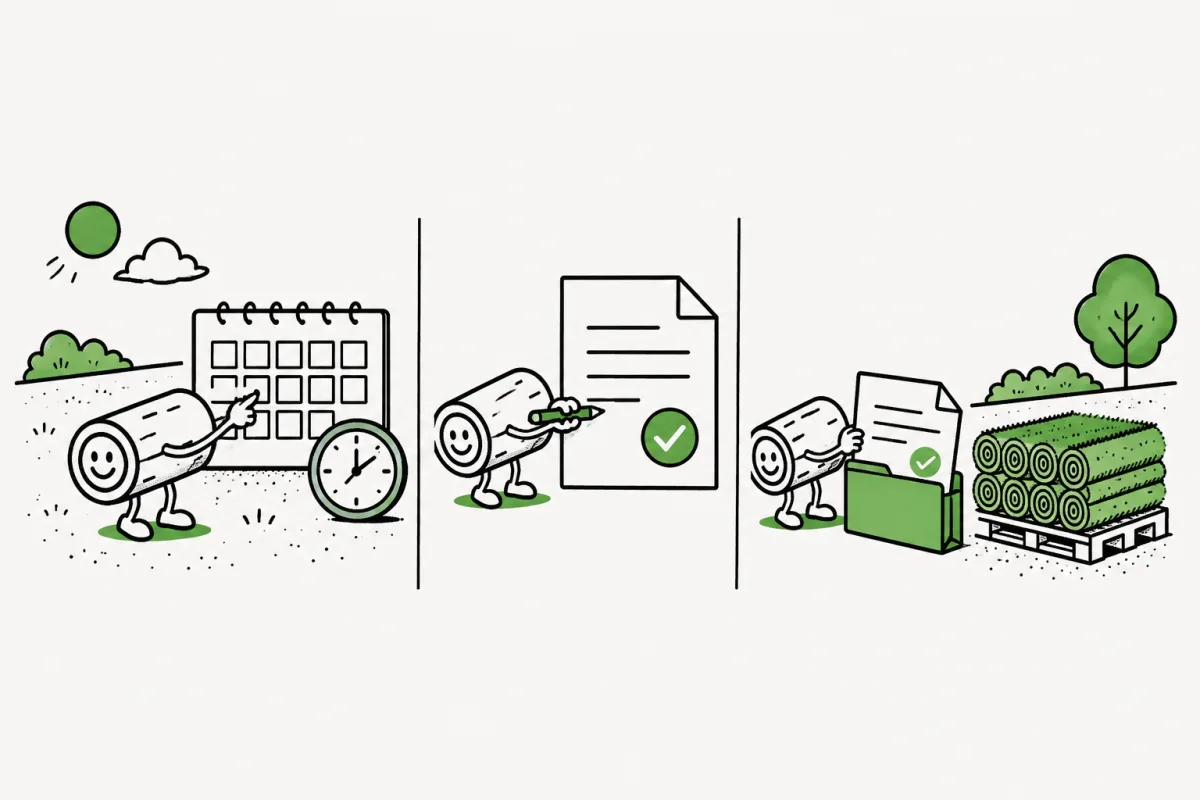
Confirm the rules before delivery
Check the current schedule and drought stage. Get any required approval and keep its conditions.
Questions people ask
How long does sod take to root in North Texas?
Rooting often takes two to three weeks in warm soil. Cold conditions can take longer. Check for resistance with a gentle tug.
Is sod better than seed in Dallas-Fort Worth?
Sod provides immediate ground coverage. Seed can cost less, but available varieties and establishment needs differ. Compare the grass type and your timetable.
Can I lay sod on top of my old grass?
No. Remove living grass and thick thatch first. Prepare the soil so new roots can reach it.