
Guides
Good sod.
Good advice.
Short, practical guides for DFW lawns, written by the people who lay the sod. The math, the timing, the watering rules, and the mistakes to avoid.
Start here.
One long guide that covers the whole job. Every shorter guide below plugs into it.

The complete guide to sod in Dallas-Fort Worth
Choose the grass, measure the lawn, prepare the soil, and plan the watering before delivery. This guide explains each stage of a DFW sod installation.
Read the guidePick it, lay it,
keep it alive.
The short guides: which grass, how many pallets, when to lay it, how to prep the ground, and how to water it in.

When is the best time to lay sod in Dallas-Fort Worth?
Warm soil supports faster rooting. Spring and early fall often offer manageable conditions. You can still lay sod in late fall and winter when the ground is not frozen, but it roots slowly until spring.
Read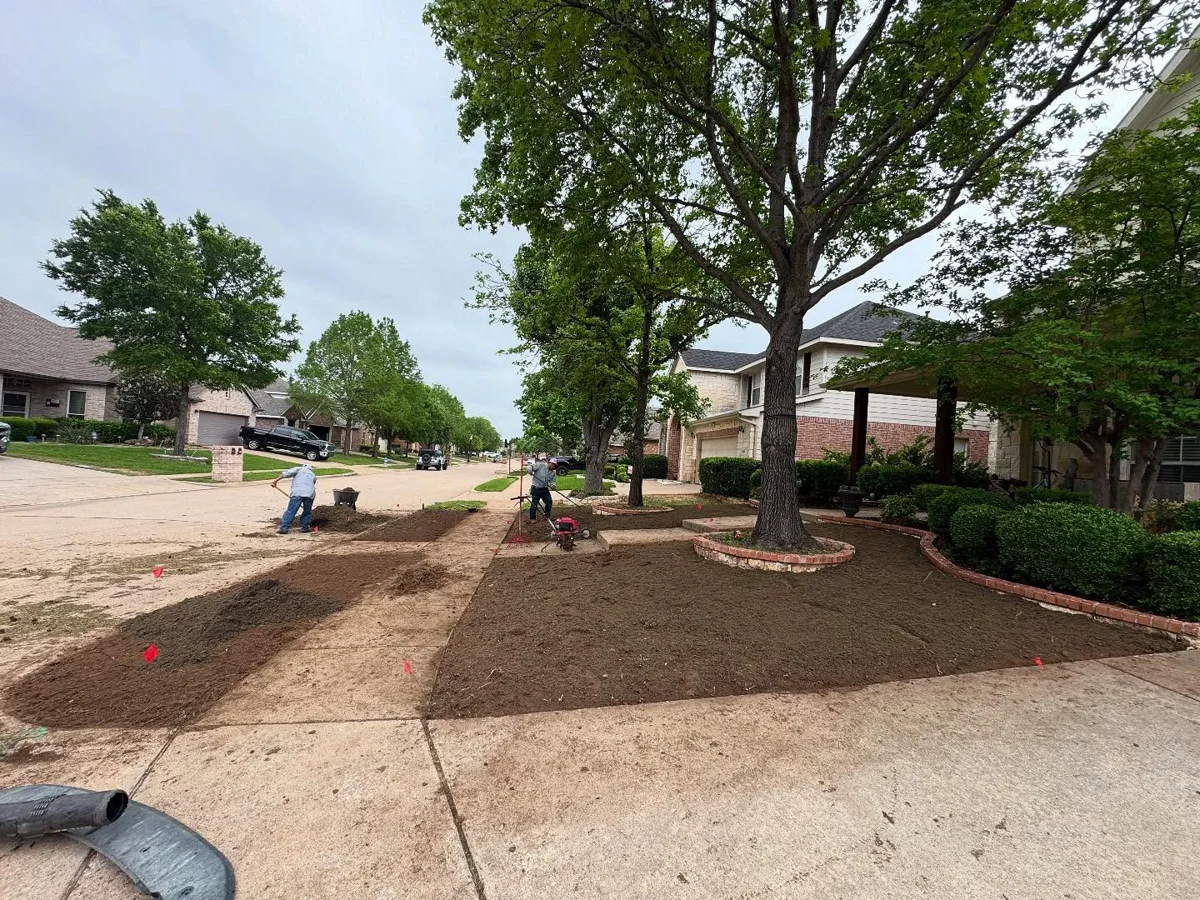
How much does sod installation cost in Dallas-Fort Worth?
Installed sod from Sod Friend starts at $850 a pallet, and each pallet covers 450 square feet. The grass you pick and the prep your yard needs move the price up. Sod only is priced per pallet by variety, plus $95 to $250 for delivery. Prices change with farm and fuel costs, so the written quote is the final number.
Read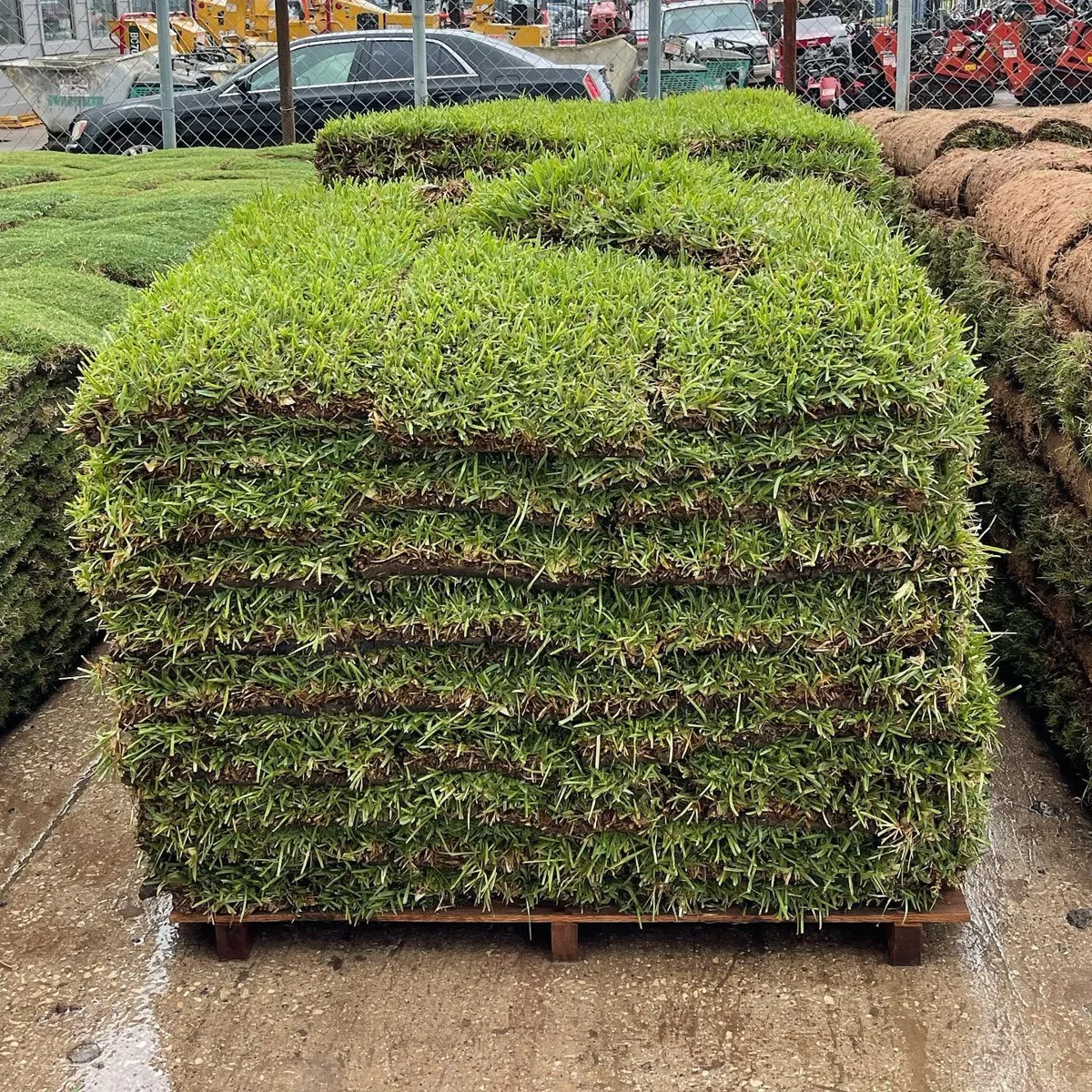
How much is a pallet of sod, and how much does it cover and weigh?
A pallet of sod costs $259 to $380 for the grass alone, depending on the variety. One pallet covers 450 square feet and weighs about 2,500 to 3,000 pounds, more when wet, so it arrives by truck and forklift.
Read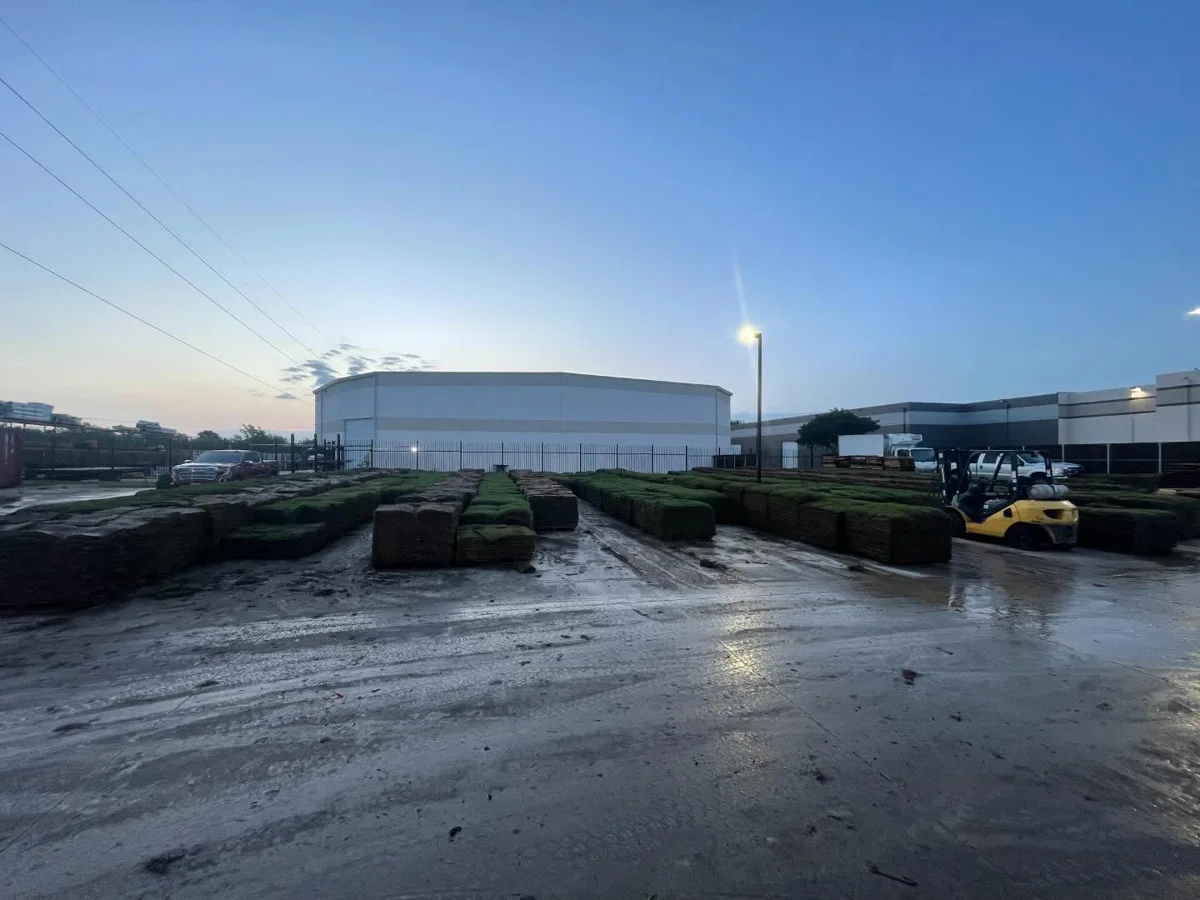
What should a good pallet of sod look like on delivery day?
A good pallet has a moist soil layer, slabs that hold together when lifted, one grass with even blade color and width, and a stack that feels cool inside. Check pieces from the top, middle, and lower rows, and photograph any problem before you lay it.
Read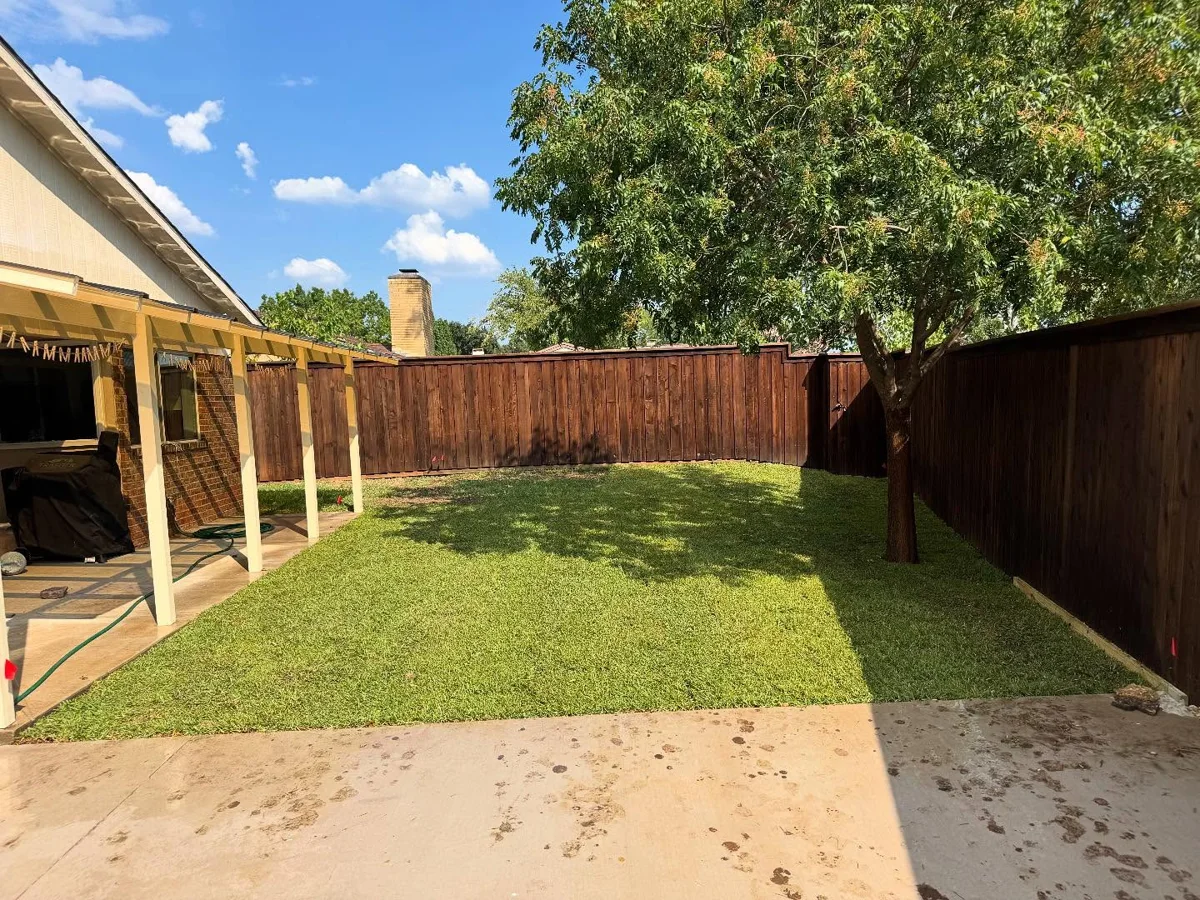
What is the best sod for shade in Dallas-Fort Worth?
St. Augustine is the best sod for shade in Dallas-Fort Worth. Raleigh holds at four to six hours of sun and Palmetto goes lower. Palisades and Zorro Zoysia suit part shade with four to five hours, and Bermuda needs six or more.
Read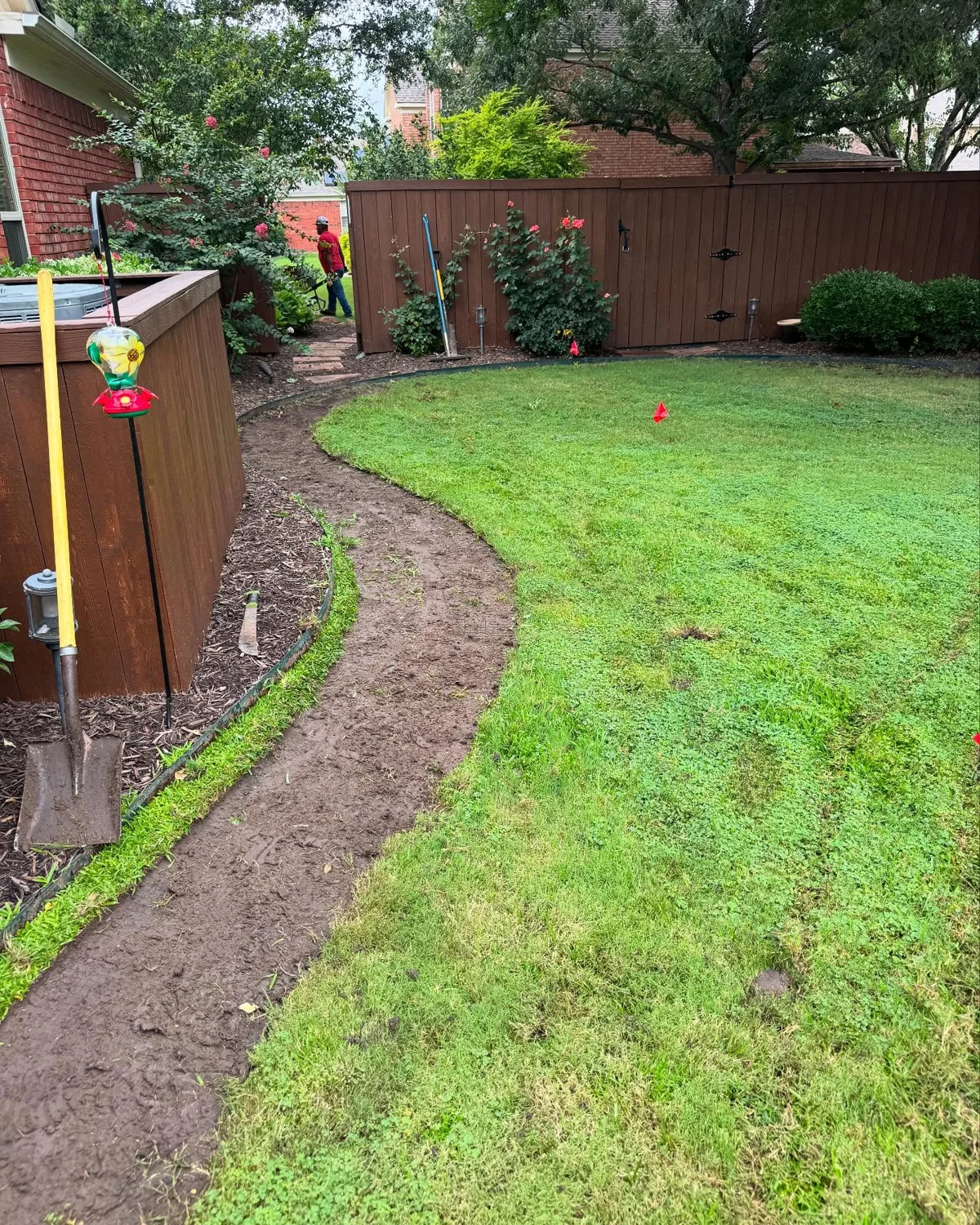
Can you replace only part of your lawn with sod?
Yes. Replace only the damaged area when the surrounding lawn is healthy and the cause of the damage has been corrected. Match the grass, prepare exposed soil, and care for the patch as new sod.
Read
Bermuda vs. St. Augustine vs. Zoysia: which is right for DFW?
Bermuda suits full sun and regular traffic. St. Augustine tolerates more shade. Zoysia offers dense turf, with shade tolerance and maintenance needs that vary by cultivar.
ReadHow do you water new sod in Texas heat?
Water completed areas promptly, then check moisture beneath the sod. Keep the root zone moist as it establishes, and reduce frequency as roots develop.
Read
Why is my new sod turning yellow?
Check soil moisture and rooting before adding water. Yellowing can come from drying, saturation, delivery damage, insects, or disease. The pattern helps guide inspection.
Read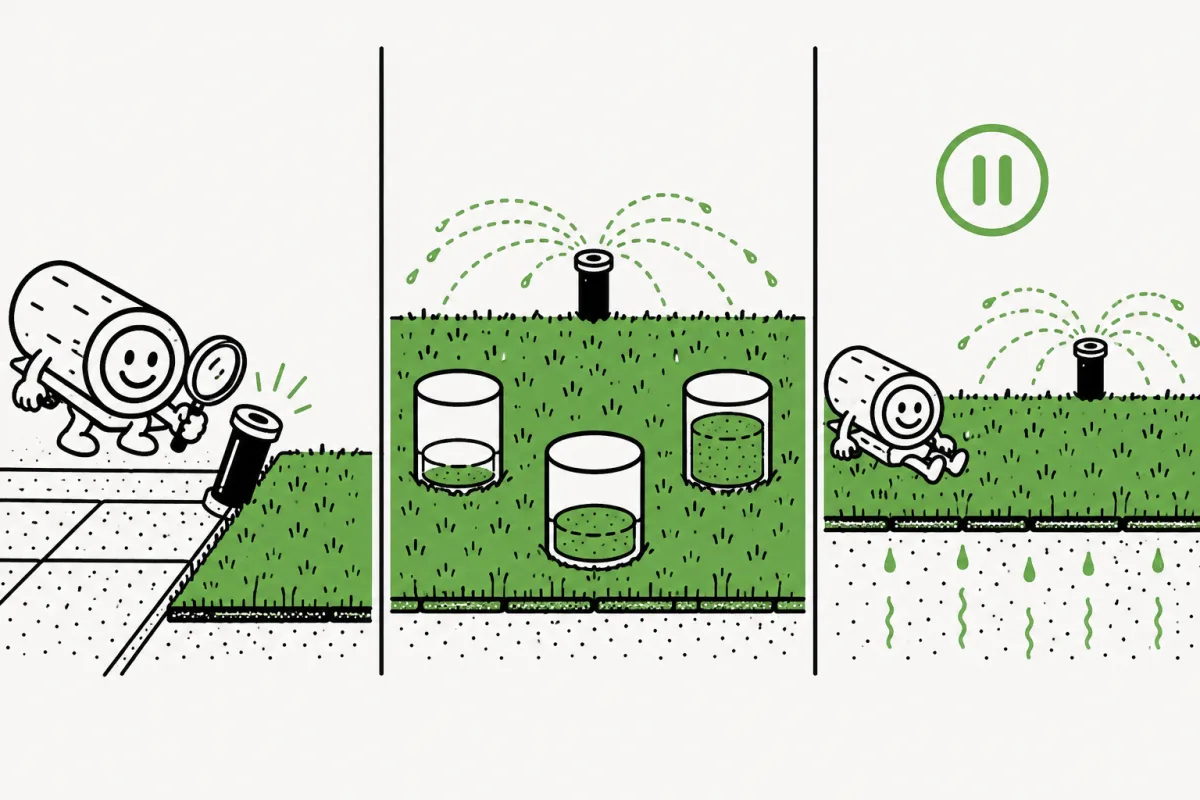
How to check sprinkler coverage before laying sod
Inspect each zone, compare catch-cup depths, and fix missed areas before increasing runtime. Use shorter cycles where water runs off before soaking in.
Read
How much sod do I need for my lawn?
Measure the planting area and subtract beds and hard surfaces. Add 5% for trimming, divide by 450 square feet per pallet, and round up.
ReadHow do you prep Blackland clay before laying sod?
Remove the old lawn, correct drainage and compaction, and prepare an even soil surface. Confirm the finished height and test every sprinkler zone before delivery.
Read
Is my sod dead or dormant?
Tan winter leaves can be normal dormancy. Inspect crowns, roots, moisture, and the pattern across the lawn before deciding whether the sod has failed.
Read
When can I mow, fertilize, and spray new sod?
Check rooting before the first mow. Keep at least two-thirds of the leaf, choose fertilizer from the lawn’s needs, and follow product restrictions for new sod.
Read
What is eating my new sod?
Check water coverage, then inspect the leaves, crowns, and soil. Chinch bugs, armyworms, and grubs leave different clues, but symptoms alone do not confirm a pest.
ReadCan I water new sod under DFW water restrictions?
Check the current city schedule, drought stage, and new-landscape rules before installation. Get any required approval and follow its dates, hours, and conditions.
Read
Why are the seams showing on my new sod?
Green seams, dry edges, and low spots need different checks. Identify the problem before adding water or topdressing, and protect loose pieces while they root.
ReadWill my dog ruin new sod?
Keep dogs off loose sod until roots hold the pieces. Rinse fresh urine spots when permitted, choose grass for sunlight and wear, and protect heavily used routes.
ReadHow do you lay sod yourself from a pallet?
A free, illustrated walkthrough from soil preparation to the first mow. Follow nine detailed steps, with tools, cutting guidance, watering checks, and video walkthroughs coming soon.
ReadIrrigation
Better coverage.
Healthier roots.
Check your sprinklers, plan new-sod watering, and find the current rules for your city.
Who writes this
Who, how,
and why.
Every guide is written by the Sod Friend crew. Delivery and installs are done by the crew at Loera’s Landscaping, who have laid sod across Dallas-Fort Worth since 2010.
Sod Friend writes these guides, with writing software used for drafting and tidying. Every rule, number, and price is checked against the sources listed on the guide and the prices on this site. When something changes, we update the guide and the date on it.
We write about sod in Dallas-Fort Worth because that is the one thing we do. If a question is not about that, you will not find a guide on it here.

Ready for a better lawn?
Reading is free. So is the quote.